The Greenhouse Gas (GHG) Protocol is widely considered to be the global rulebook for carbon accounting. The JSE’s Sustainability and Climate Disclosure Guidance and the new International Financial Reporting Standards (IFRS) S2 Standard rely on it as the standard emissions reporting methodology.
Carbon emissions are categorised as Scope 1, 2, and 3 emissions:
- Scope 1 covers direct emissions that a company owns or controls.
- Scope 2 emissions are the greenhouse gases produced from the electricity, heat, or steam that a company purchases.
- Scope 3 encompasses indirect emissions across the value chain, from suppliers to customers.
Public comment on revisions to the GHG Protocol Scope 2 emissions accounting rules closed on 31 January 2026. The proposed revisions offered a once-in-a-decade opportunity (the revised rules will likely still apply in 2040) to bring energy emissions reporting up to date with changes in energy markets.
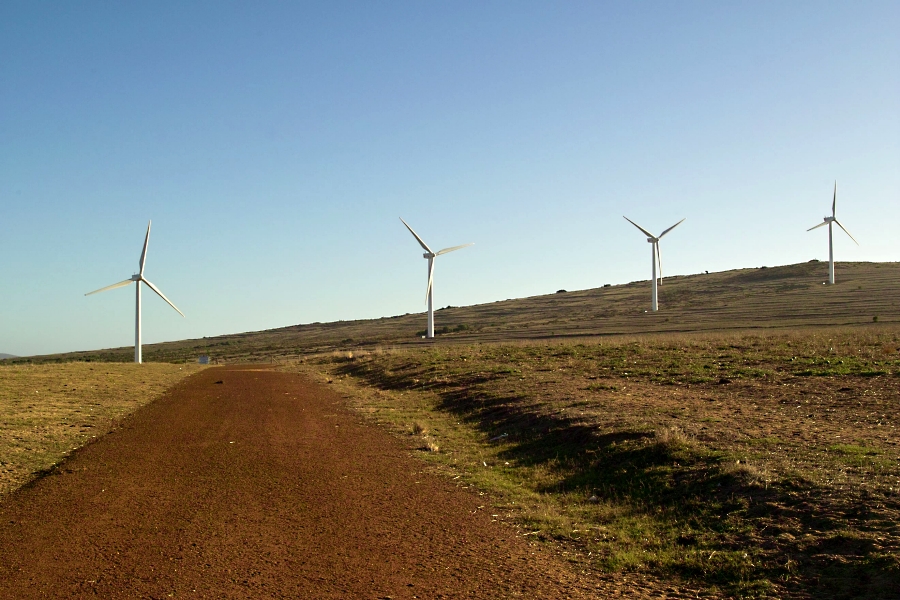
Renewable energy is variable. Solar and wind energy are available while the sun shines and the wind blows. Location also matters: transmission losses occur as electricity travels across distances, and regional energy mixes differ widely. Current accounting rules allow companies to claim 100% renewable energy use based on annual matching of energy consumption. In practice, this means companies can offset nighttime coal use with extra purchases of daytime solar power, or claim renewable energy use from sources that cannot physically supply their operations. Mechanisms like using Renewable Energy Certificates (RECs) to match solar generation to nighttime fossil fuel consumption create a gap between reported emissions and actual grid realities. The Scope 2 guidance revision is designed to plug this gap.
Why this matters
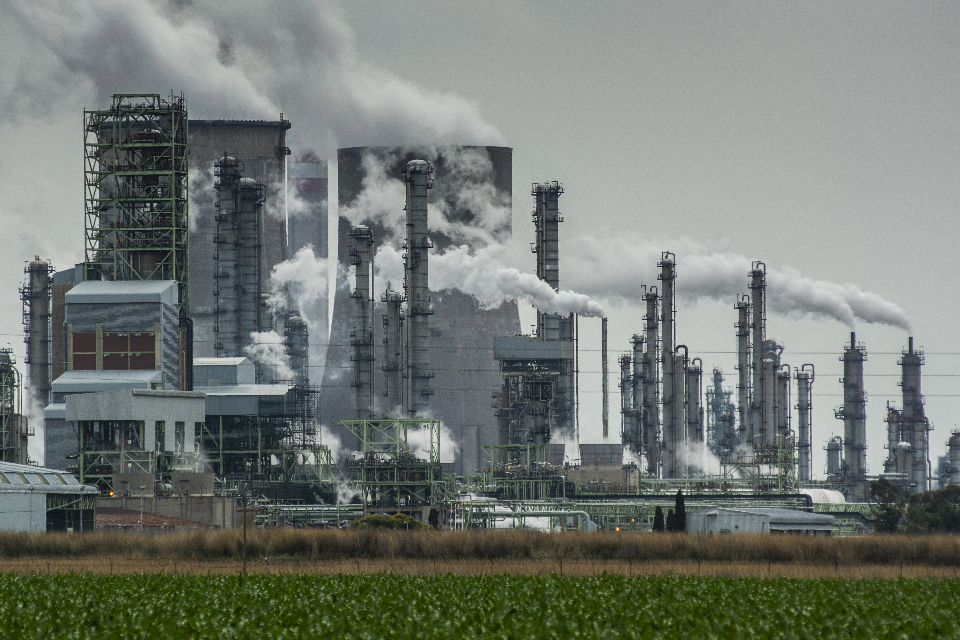
For most businesses, purchased electricity is a major source of emissions. South Africa’s electricity system remains dominated by coal, which means that the carbon intensity of all goods and services produced here using Eskom’s coal-fired power generation is high. This is not only a climate liability—it is increasingly a commercial one.
The EU’s Carbon Border Adjustment Mechanism (CBAM) came into force in January 2026, imposing carbon costs on imports of steel, aluminium, iron, and fertilizers—all significant South African exports. CBAM charges are calculated based on carbon intensity: companies that can demonstrate genuinely lower emissions through credible accounting will face lower tariffs, while those relying on paper-based renewable claims may be exposed to default emission rates and diminished competitiveness in key markets.
As South Africa integrates more renewables, accurate emissions accounting becomes critical. It will ensure that corporate renewable energy claims reflect grid realities—translating into real emissions reductions and stronger economic resilience.
What the proposed updates to the guidelines would change
- Hourly matching of renewable energy consumption to production: Companies would need to match their renewable energy claims to the actual hours when that renewable energy is generated.
- Deliverable market boundaries: This ensures that the renewable electricity a company claims to use can feasibly reach its operations via physical grid connections. Companies should not be able to claim renewable energy use when it is generated on a grid to which they have no connection.
- Phased implementation: The changes would give companies and electricity markets time to adjust, recognising that transformation at this scale cannot happen overnight.
- Recognition of legacy renewable energy certificates: Companies that invested early in renewable energy would see their previous commitments recognised, protecting voluntary front-runners who helped build the market.
These approaches would stimulate demand for battery and storage technology, accelerate grid decarbonisation, and strengthen voluntary clean energy markets—ultimately supporting a faster transition to a low-carbon economy. For South Africa, this could help drive investment in the storage and flexibility solutions our grid desperately needs as we integrate more variable renewable generation.
Just Share has submitted comments endorsing the proposed updates to the GHG Protocol Scope 2 standards. Accurate carbon accounting is not a technical nicety—it is the foundation of trustworthy corporate reporting and a prerequisite for a just transition.
IMAGE: Kalle Pihlajasaari, Wikimedia