
Sasol’s transition is about more than meeting climate targets. It is about the future of its workers and surrounding communities, the businesses that depend on its operations, and the competitiveness of South African industry. The economic knock-on effects should not be understated. A credible transition must protect livelihoods, support skills redeployment and deliver a just transition, while strengthening long-term value for the company and the wider economy.
With Sasol’s next AGM on 13 November, these issues are particularly relevant. Last year, it “optimised” its emission reduction roadmap, maintaining its 30%-by-2030 emissions reduction target at a fraction of the original cost. Yet emissions have fallen by just 8.5% to date, and Sasol’s strategy relies on renewable energy and carbon offsets while increasing production, raising questions about structural decarbonisation and continued reliance on high-carbon processes and inputs.
What does this mean for coal workers, contractors, chemical customers and surrounding communities? How could CBAM and rising carbon costs affect South African industry, jobs and competitiveness? And what role should regulators and provincial and municipal leaders play in demanding transparency, anticipating economic disruption and proactively ensuring skills development and redeployment?
South Africans should care because the consequences extend far beyond Sasol’s operations. But stakeholders cannot assess whether Sasol is on the right path when the company has not provided adequate information to demonstrate that its transition is being proactively managed. Limited transparency also makes it harder for investors to evaluate risk and for workers, communities and other stakeholders to understand what the transition means for their futures. This raises further questions about accountability and meaningful participation.
The webinar will examine whether Sasol’s transition plan is credible, what is at stake for workers, communities, public health and industry, and how civil society and other stakeholders can demand greater corporate accountability. We will also launch our latest briefing, setting out the key questions stakeholders should ask to ensure Sasol delivers a credible and just transition rather than shifting costs and risks onto the wider economy.
Join us
Date: 30 October 2026
Time: 11:00-12:00 SAST
Registration: https://bit.ly/4hLzOaE
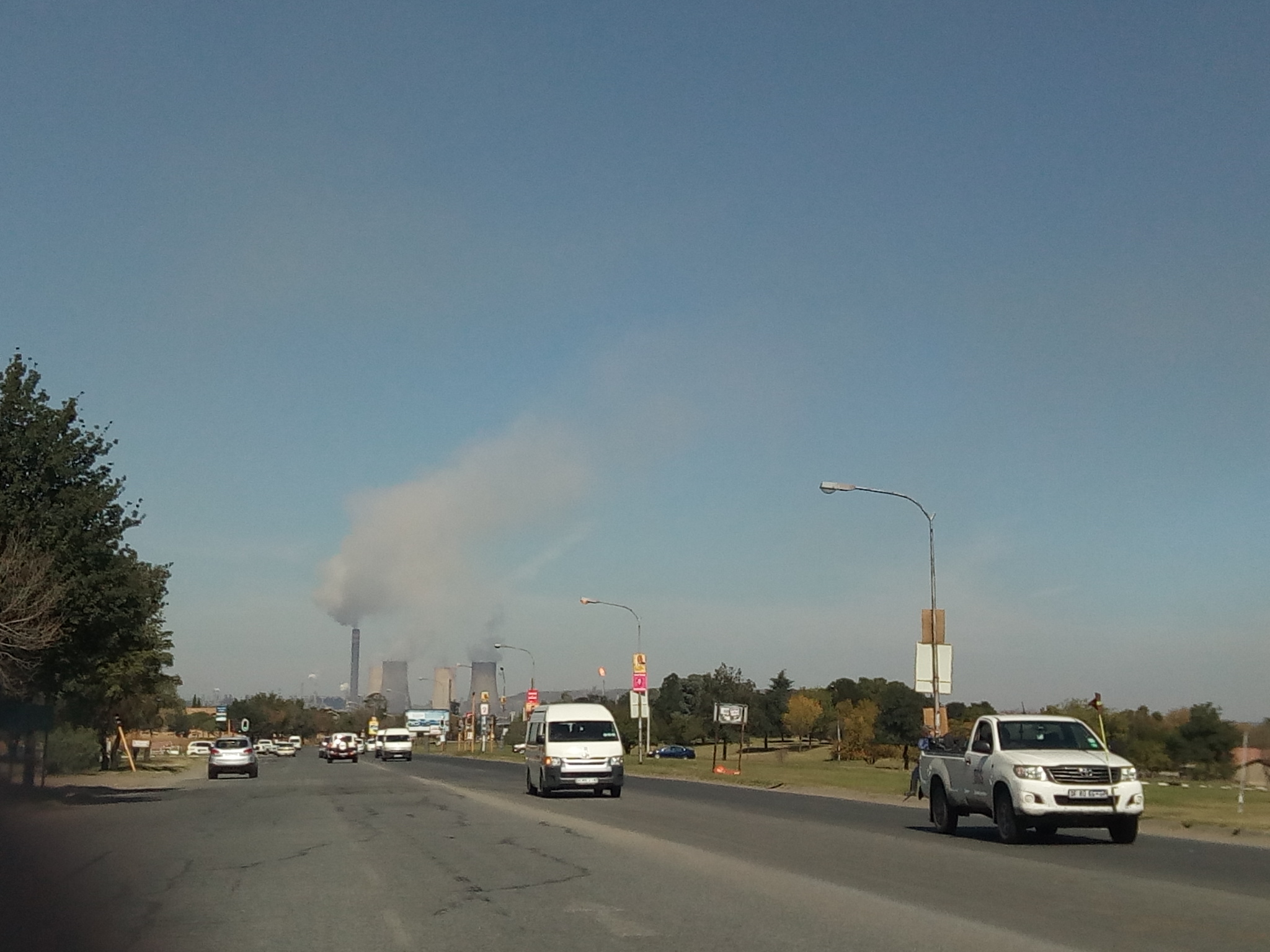
IMAGE: “Sasol Secunda 13” by AntimatterMachine is licensed under CC BY-SA 4.0 

 .
.